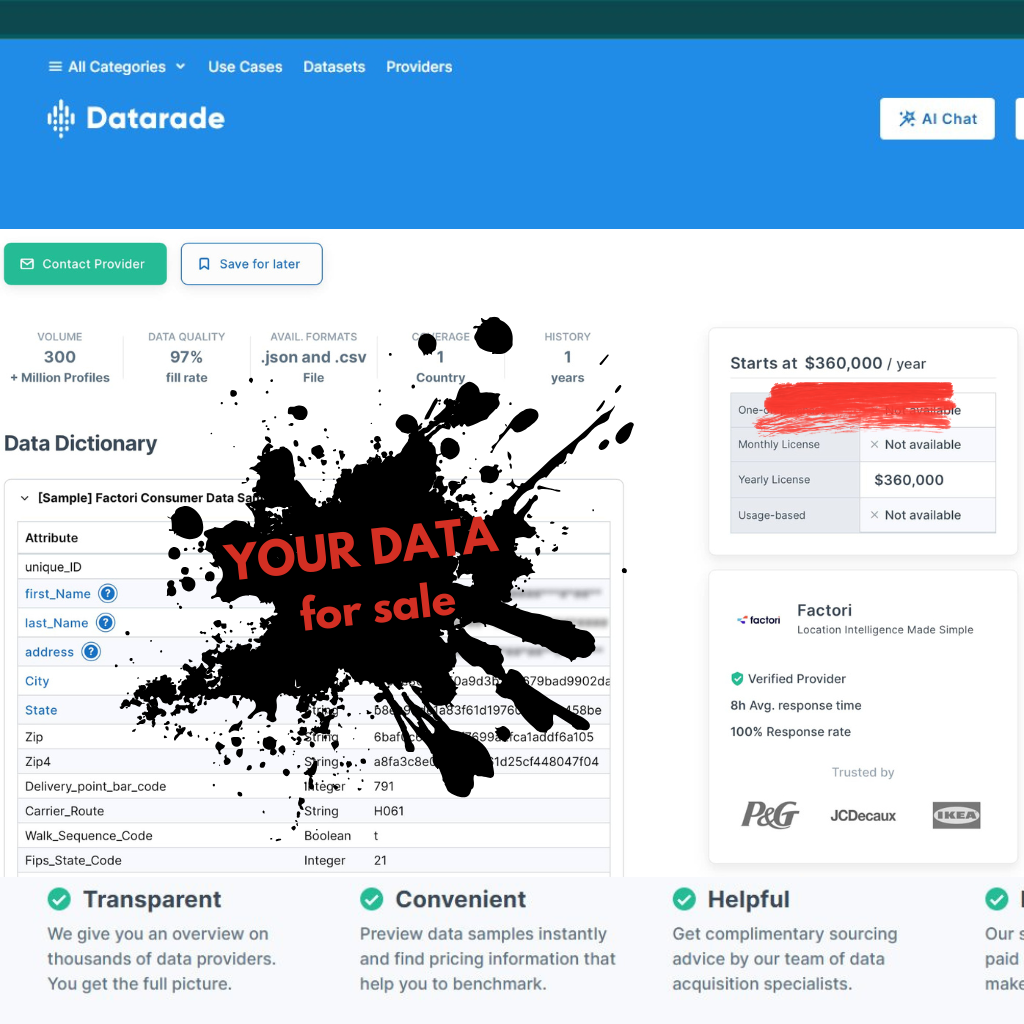
Techno-optimism is dead.
I’m somewhat young, but I remember the promises made by the early 2010s era of TED talks and glossy keynotes, preaching that technology and innovation would bring prosperity across the globe. I remember genuine excitement for progress, logging into old forums and early social media, unboxing a new phone, getting a new app. Not so long ago, we were all promised a better future — one driven by information and deeper connection.
It didn’t quite pan out. The benefits came with costs. Social media platforms have become unbearable, shaped by algorithms boosting the angriest and most fringe voices. Privacy is gone; big tech knows more about us than our closest friends and family. Instead of connection, we get endless notifications calling for attention. Instead of broad prosperity, the tech industry helped create some of the starkest concentrations of wealth and power in modern history.
It wasn’t an accident. In business, profit incentives always win out. And the overwhelming source of profit in tech, the strongest undercurrent shaping it all, is advertising.
A broken system of incentives
The issue with ads is how irresistible they are as a business model. Building a great product is hard, and convincing people to pay is even harder. But when a service is “free”, it usually means you’re not the customer — your attention is the product being sold to advertisers. Most social networks, news sites, even email and search engines run on this logic. Slapping ads on top must feel like a cheat code, and for a while, it looks harmless.
The trouble starts after this decision. For companies with ads as the business model, time spent on the platform becomes the product. Instead of enriching the lives of users, “engagement” becomes the core metric, and we all know what it feels like to use an app designed to maximize that. Mind-numbing. Dehumanizing.
Decades of research show where engagement-based algorithms take us, and the pattern is depressingly consistent. What rises to the top of our feeds is rarely joy or curiosity, but anger, fear, and envy — the emotions most likely to keep us hooked. In one study of Twitter, 62% of algorithmically boosted political posts expressed outright anger, and nearly half targeted hostility at an out-group. The result: civil discourse reduced to a shouting match.
The damage is sharpest for young people. Facebook allegedly detected and exploited moments of emotional vulnerability in teenage girls. TikTok’s recommendation system has been caught funneling vulnerable users toward eating disorder and self-harm content within minutes. And despite years of criticism, YouTube keeps serving disturbing videos to children, now joined with AI-generated shorts centered around death and abuse. Think about that.
Platforms have known all this for years, but usually take no action until public outrage. This is not an accident. It’s the predictable outcome of a system where profit and shareholder value are worth more than our dignity.
In 2013, Nir Eyal published Hooked, Silicon Valley’s seminal playbook for creating addictive products, with lines like: “Habit-forming companies link their services to the users’ daily routines and emotions” and “If it can’t be used for evil, it’s not a superpower.” By 2019, Eyal, now among many repentant tech workers, wrote Indistractable, which argues for digital minimalism and reclaiming our attention. All too little, all too late.
The result is a world that feels fractured, unstable, anxious. Populist leaders thrive by weaponizing fear and misinformation through social media. Our corroded trust in one another makes me worry about how we’ll be able to handle rising global conflict.
Clinicians warn that constant digital stimulation may be reshaping how attention works, even in adults. Imagine how much worse it will be for the next generation exposed to these digital casinos every day.
There might be multiple factors feeding this instability — but it’s impossible to argue that the design incentives of the platforms we all use haven’t played a central role.
Oh, and by the way, this isn’t even the half of the story yet.
Continue reading at the sub header Privacy
